Is Collagen Absorbed? What Science Knows About Collagen Peptides
Collagen is one of the most popular ingredients in supplements for skin, joints, and connective tissue. Yet many people still ask the same question: can collagen actually be absorbed by the body?
Today, science has largely answered that question. In fact, researchers are now focusing on a different topic altogether — what happens to collagen peptides after they are absorbed and how bioactive collagen peptides may interact with the body.
Is Hydrolyzed Collagen Absorbed?
Yes.
Studies have shown that characteristic collagen peptides, including Pro-Hyp and Hyp-Gly, can be detected in human blood after the consumption of hydrolyzed collagen.
These peptides appear in the bloodstream within 1–2 hours after ingestion. This demonstrates that hydrolyzed collagen does not simply pass through the digestive system but is absorbed and becomes available to the body.
As a result, modern research is no longer focused on whether collagen is absorbed. Instead, scientists are increasingly interested in what happens to collagen peptides after absorption.
What Are Collagen Peptides?
Most collagen supplements contain hydrolyzed collagen.
During the hydrolysis process, long collagen protein chains are broken down into smaller fragments known as collagen peptides.
Because of their smaller size, these peptides are more easily absorbed by the body.
However, research suggests that their role goes beyond simply providing amino acids.
Some collagen peptides retain their structure even after digestion. These are known as bioactive collagen peptides.
## What Happens to Bioactive Peptides After Absorption?
This is one of the most exciting areas of modern collagen research.
After digestion, a portion of bioactive collagen peptides remains intact and passes through the intestinal barrier.
Studies suggest that approximately 10% of these peptides may enter the bloodstream while maintaining their structure.
From there, they travel to collagen-rich tissues such as the skin, joints, bones, and other connective tissues.
Researchers believe that these peptides may act as signaling molecules for connective tissue cells.
At the same time, the remaining collagen is broken down into amino acids, which the body uses as building blocks for its own proteins.
In other words, collagen provides the body with two important components:
- Bioactive collagen peptides
- Amino acids needed for the body’s natural protein synthesis
Why Are Bioactive Peptides Receiving So Much Scientific Attention?
Just a few years ago, most collagen research focused on absorption.
Today, the focus has shifted.
Scientists are now studying different collagen peptides, their structure, size, and potential interactions with various tissues throughout the body.
Modern manufacturing technologies can produce different peptide profiles. As a result, researchers are paying increasing attention not only to the amount of collagen in a product but also to the characteristics of the peptides created during production.
This growing body of research is one of the reasons bioactive collagen peptides have become such an important topic in collagen science.
The Collavita Approach
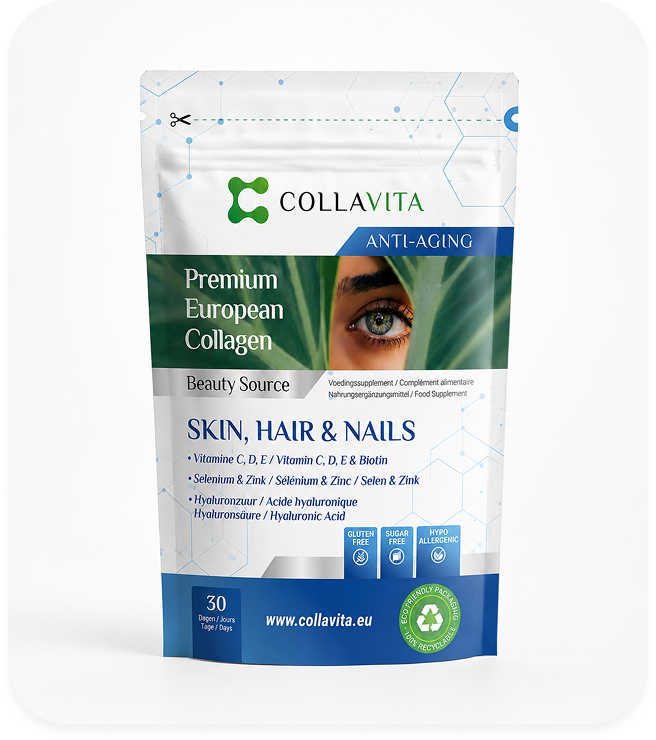
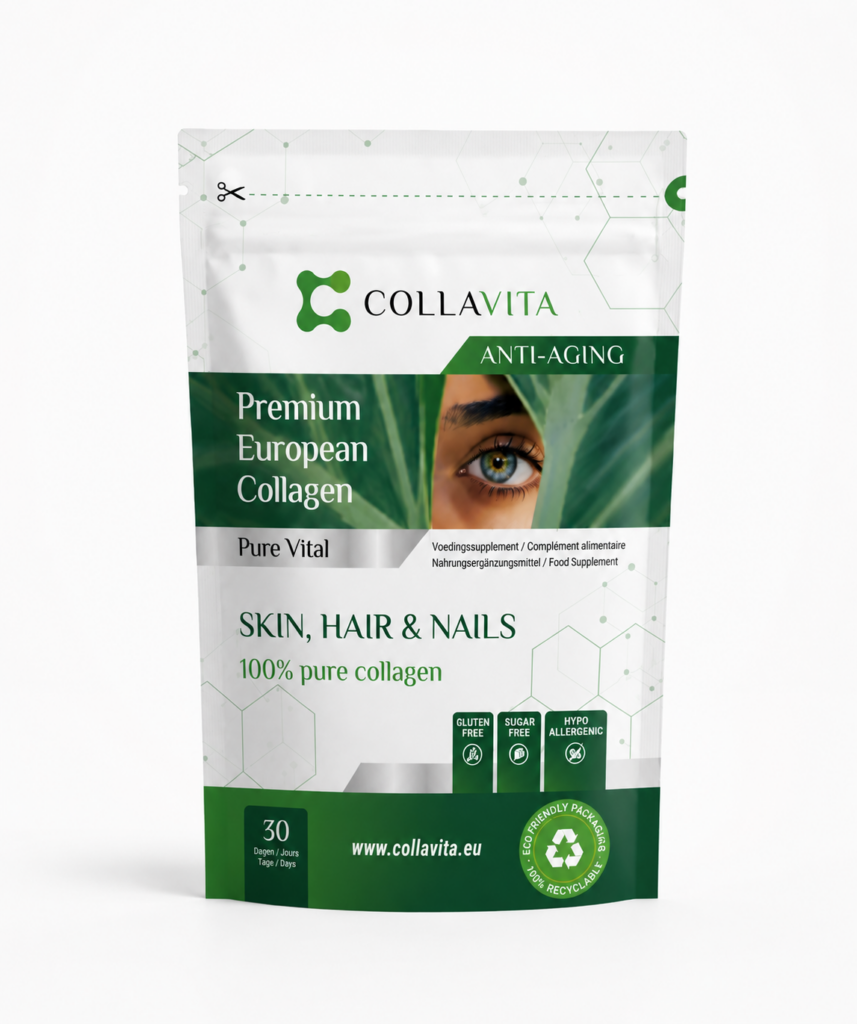
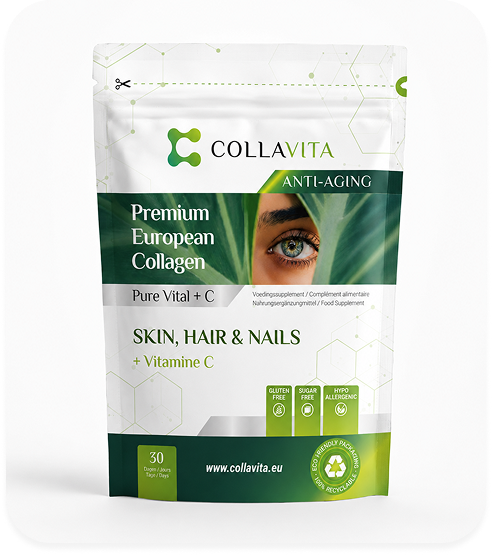
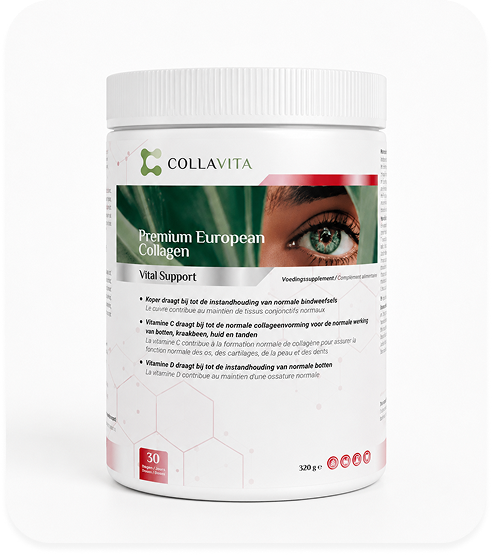
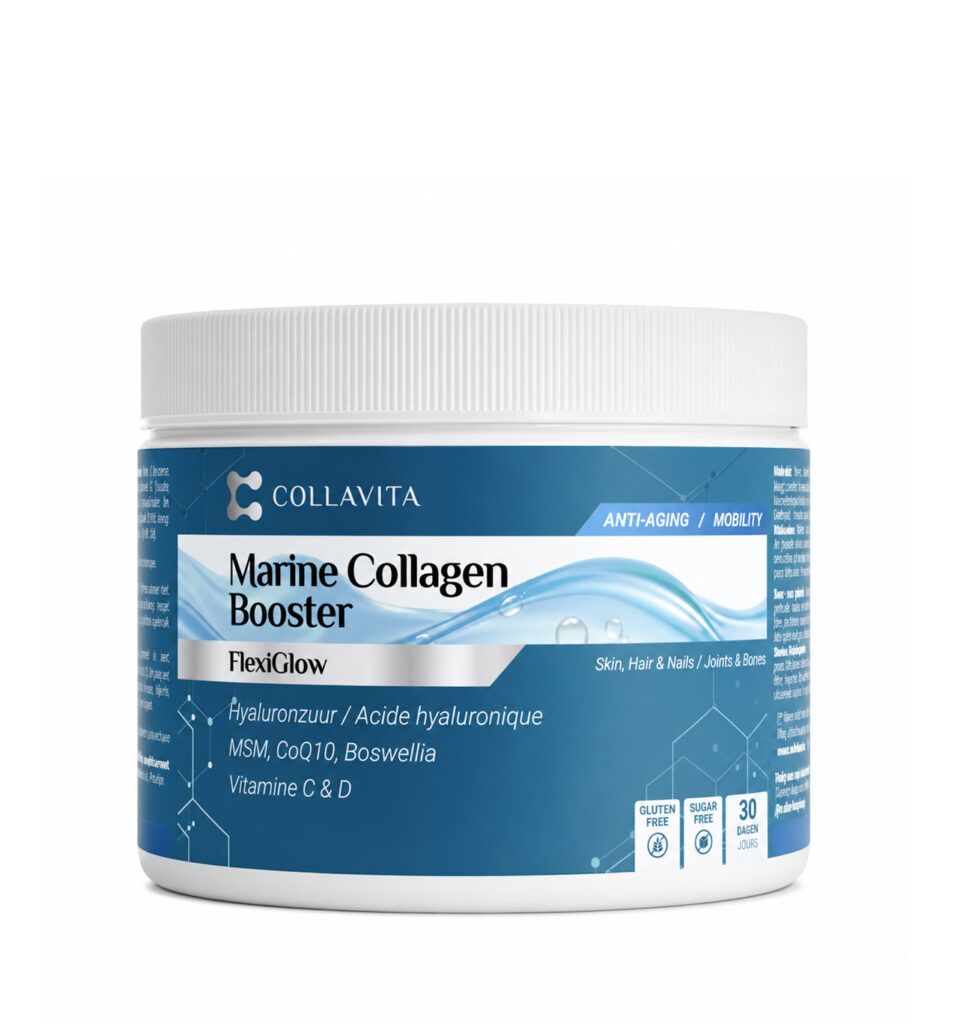
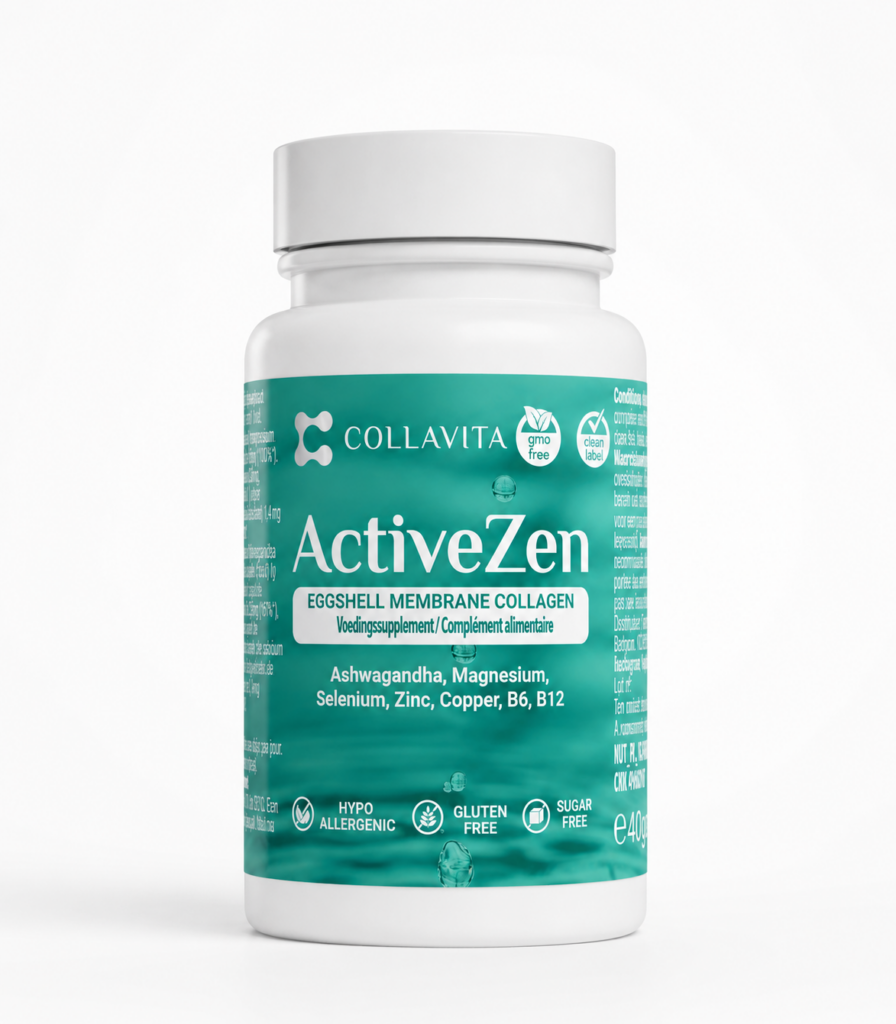
Collavita products contain bioactive collagen peptides.
When developing our formulas, we consider current scientific knowledge regarding collagen peptides, their absorption, and their interaction with different tissues.
For this reason, our focus is not only on the amount of collagen used but also on the quality of the collagen peptides included in each formula.
Conclusion
Modern research shows that hydrolyzed collagen is absorbed by the body and that characteristic collagen peptides can be detected in the bloodstream within hours after consumption.
A portion of bioactive collagen peptides remains intact after digestion, enters the bloodstream, and reaches different tissues throughout the body.