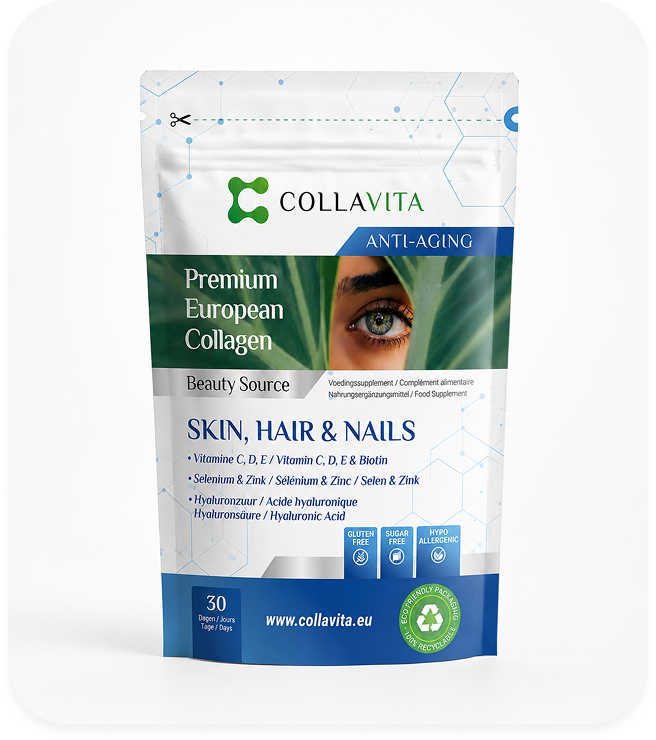
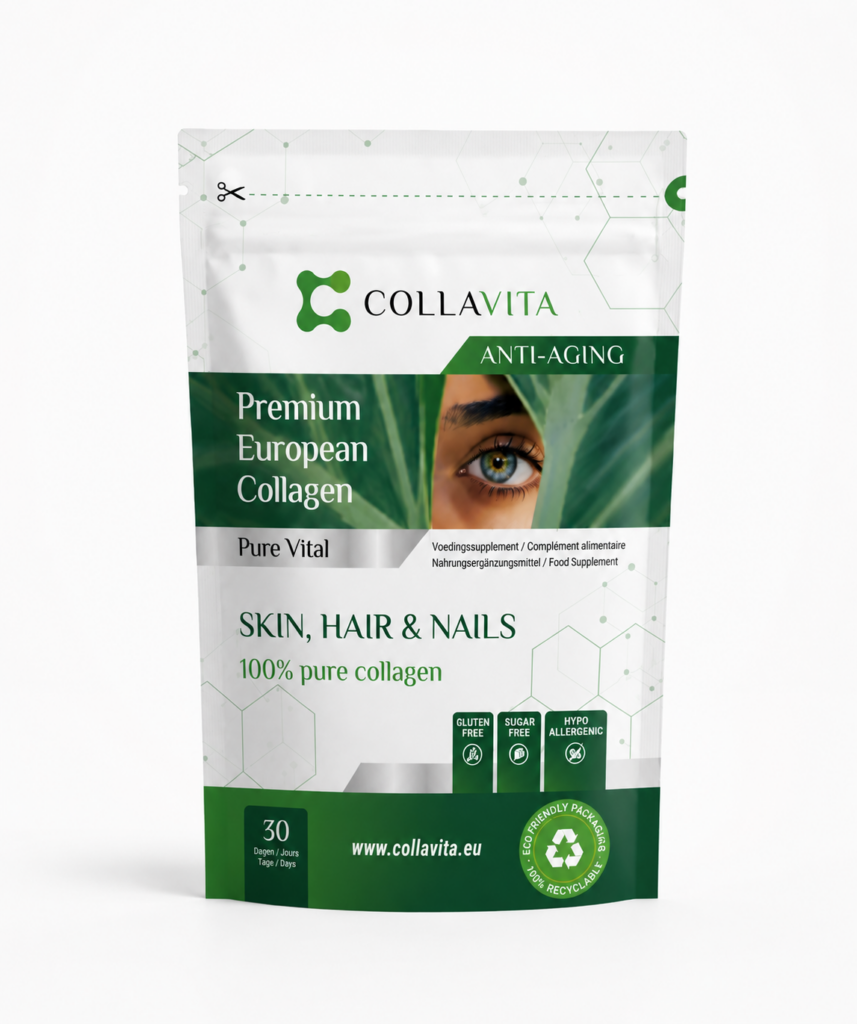
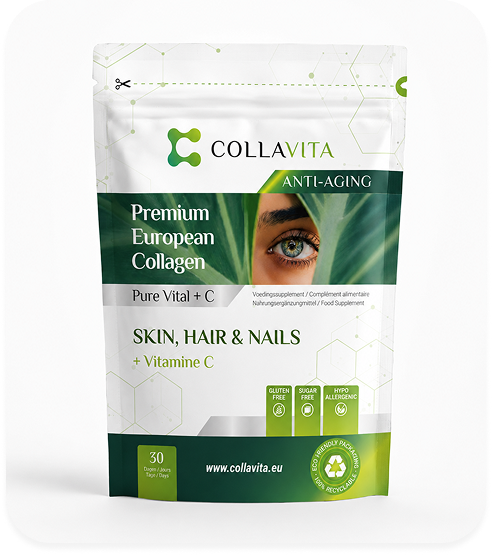
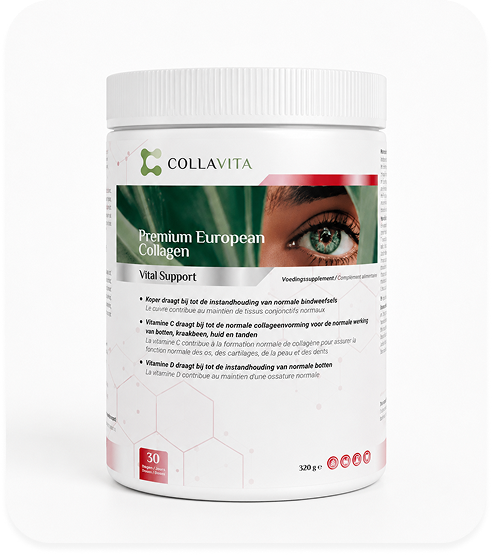
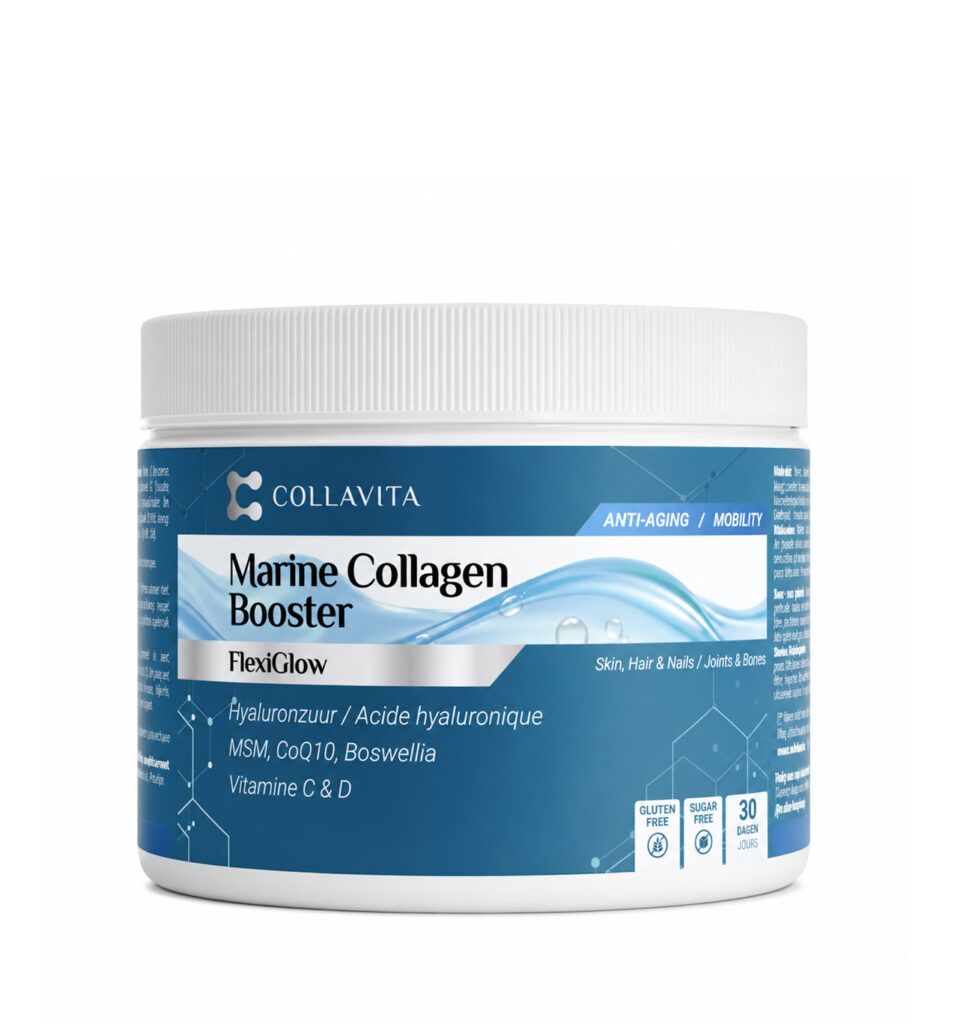
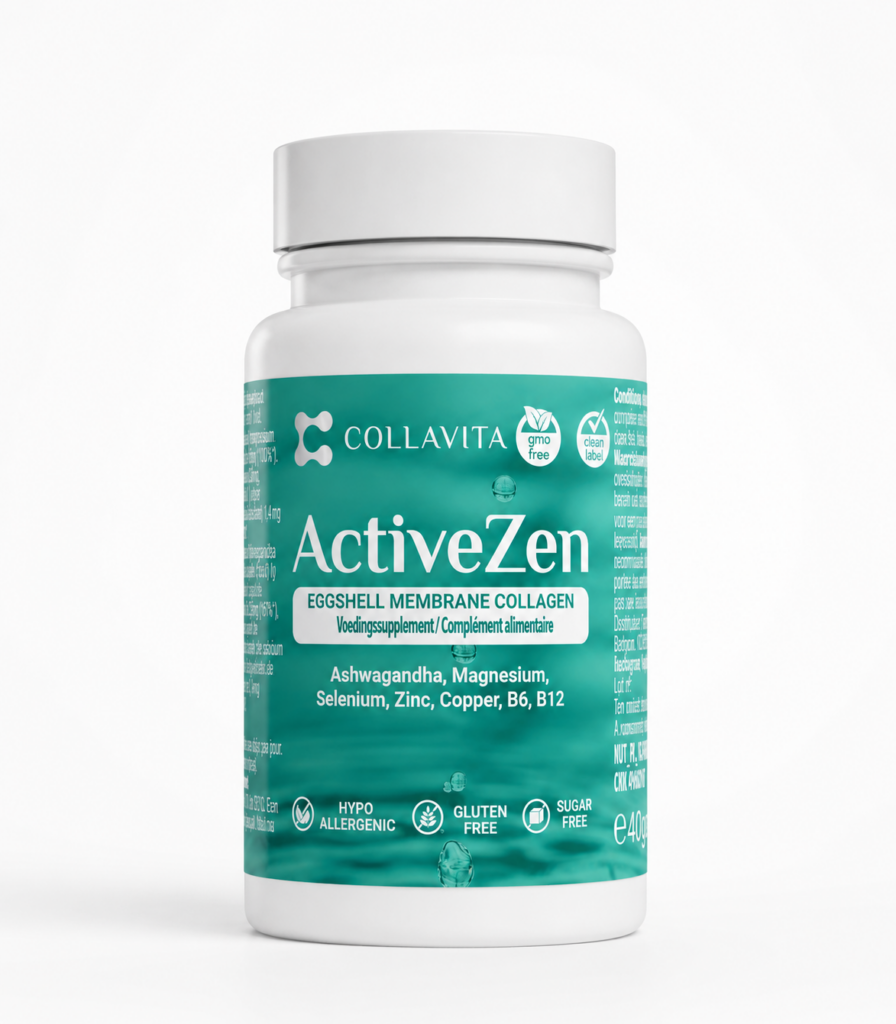
How to Get the Most from Your Collagen Supplement
Collagen supplements have become increasingly popular for supporting skin, joints, bones, tendons, ligaments, and other connective tissues. But is simply taking collagen enough?
Research suggests that while high-quality collagen peptides are important, your daily habits also play a significant role in how effectively your body can maintain and renew its collagen structures.
Consistency Matters More Than Timing
One of the most common questions is whether collagen should be taken in the morning, evening, on an empty stomach, or with food.
Current evidence suggests that there is no “perfect” time to take collagen. What matters most is taking it consistently. The best time is simply the time that fits naturally into your daily routine and helps you remember to take it every day.
Most clinical studies evaluating collagen supplementation report benefits after regular daily use for at least 8 to 12 weeks.
Support Collagen Production with Vitamin C
Vitamin C plays a key role in the body’s natural collagen synthesis process. Without sufficient vitamin C, the body cannot efficiently produce or maintain healthy collagen fibres.
To support collagen formation, include vitamin C-rich foods in your diet, such as:
- Citrus fruits
- Kiwi
- Berries
- Bell peppers
- Broccoli
Vitamin C can also be obtained through supplements when needed.
Make Sure You Get Enough Protein
Collagen is an important structural protein, but it is only one piece of the puzzle.
Your body requires a wide range of amino acids to build and repair tissues. Even the highest-quality collagen supplement cannot fully compensate for an overall lack of dietary protein.
A balanced diet containing adequate protein helps provide the building blocks needed for healthy connective tissues throughout the body.
Reduce Excess Sugar Intake
High sugar consumption may accelerate a process called glycation. During glycation, sugar molecules bind to proteins, including collagen, making collagen fibres less flexible and more fragile.
Over time, this may affect the quality and strength of connective tissues.
Limiting excess sugar intake can help support the long-term maintenance of collagen structures.
Limit Alcohol Consumption
Excessive alcohol intake may interfere with normal tissue repair processes and increase oxidative stress within the body.
It can also contribute to dehydration, which may negatively affect overall tissue health.
Moderation is key when aiming to support healthy collagen maintenance.
Avoid Smoking
Smoking is widely recognised as one of the lifestyle factors associated with accelerated collagen breakdown.
Compounds found in cigarette smoke increase oxidative stress and can impair blood circulation, reducing the body’s ability to maintain healthy connective tissues.
For both skin health and overall connective tissue support, avoiding smoking is one of the most effective lifestyle choices.
Manage Chronic Stress
Long-term stress is associated with elevated cortisol levels, which may negatively influence the body’s natural recovery and repair processes.
Healthy stress-management habits such as quality sleep, relaxation, mindfulness, and regular physical activity can help support overall tissue health.
Protect Yourself from Excessive UV Exposure
Ultraviolet (UV) radiation is one of the most well-known external factors linked to collagen degradation.
While moderate sun exposure is part of a healthy lifestyle, excessive UV exposure can accelerate the breakdown of collagen fibres over time.
Using sun protection and avoiding unnecessary sun damage can help preserve your body’s natural collagen.
The Bottom Line
Taking collagen is only one part of the equation. To get the most from your collagen supplement, combine daily collagen intake with healthy lifestyle habits that support collagen maintenance and renewal.
Consistent supplementation, adequate protein and vitamin C intake, and reducing factors that contribute to collagen breakdown can help create the best conditions for supporting healthy skin, joints, bones, tendons, ligaments, and connective tissues.
If you choose to take collagen, think of it as part of a long-term approach to supporting your body’s connective tissues rather than a quick fix.