Why More Athletes Are Choosing Collagen
When an athlete gets injured, most people immediately think about muscles.
But if you look at professional sports, many careers end for a different reason.
Not because of muscles.
Because of tendons, ligaments, joints, and bones.
These structures absorb enormous amounts of stress every day and often become the weakest link after years of training and competition.
The Hidden Side of Sport
Imagine a cyclist during a multi-stage race.
Over just a few weeks, they can complete more than a million pedal revolutions.
Every revolution places stress not only on the muscles but also on the tendons, joints, and bones.
The same is true for runners, tennis players, football players, and even people who simply train regularly at the gym.
We see muscles.
But much of the work is performed by tissues hidden beneath them.
Why Things Change After 35
Many athletes say they could train almost endlessly in their twenties.
After the age of 35 or 40, things begin to feel different.
Muscles can still become stronger.
The challenge lies elsewhere.
Connective tissues recover more slowly, while the body’s natural collagen production gradually declines.
This is one of the reasons why more athletes are paying attention not only to training and protein intake, but also to supporting the tissues that make movement possible.
Collagen Is More Than a Building Block
Collagen is the most abundant protein in the human body, accounting for around 30% of all protein.
It is a major structural component of tendons, ligaments, cartilage, fascia, and bones.
For many years, collagen was viewed simply as a source of amino acids.
Today, research suggests a more interesting story.
Certain bioactive collagen peptides appear in the bloodstream after ingestion and may interact with connective tissue cells, supporting the body’s natural renewal processes.
This is why bioactive collagen peptides have become one of the most studied topics in sports nutrition in recent years.
What Does the Research Show?
Recent studies have demonstrated that specific bioactive collagen peptides can influence the activity of cells found in tendons, cartilage, and bone tissue.
Researchers have observed increased production of extracellular matrix components — the structural framework that helps connective tissues remain strong and functional.
As a result, collagen supplementation is no longer associated only with beauty and skin health.
Today, it is increasingly used by runners, cyclists, tennis players, fitness enthusiasts, and professional athletes who want to maintain an active lifestyle for years to come.
Sport Is a Long-Term Investment
For most people, sport is about more than performance today.
It is about staying active five, ten, or even twenty years from now.
That is why more athletes are taking a broader view of recovery — looking beyond muscle growth and protein intake alone.
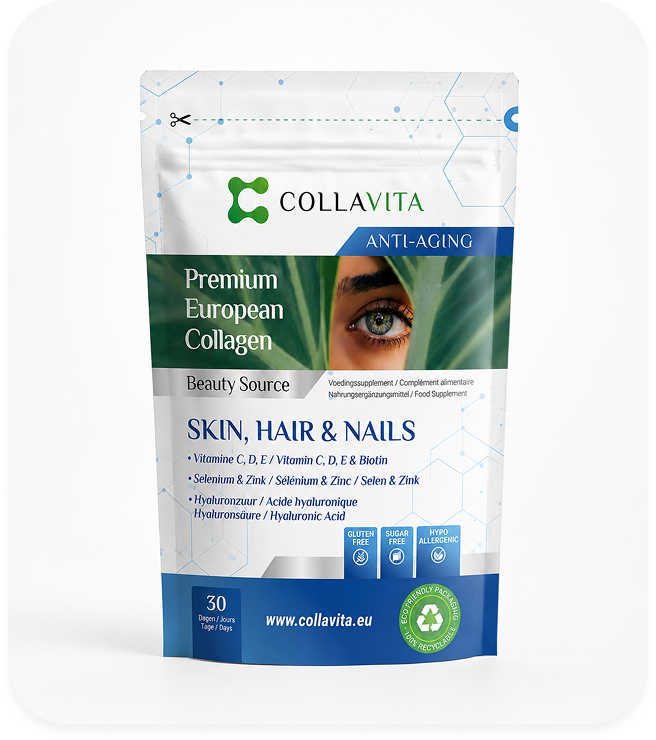
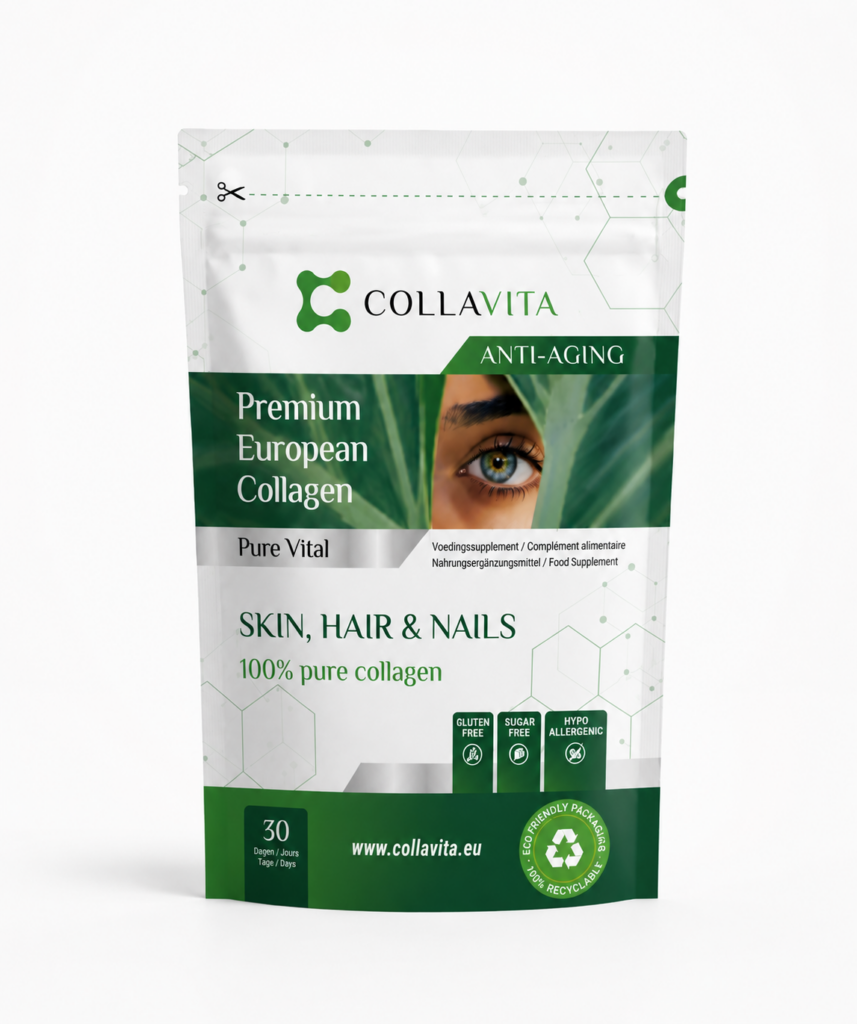
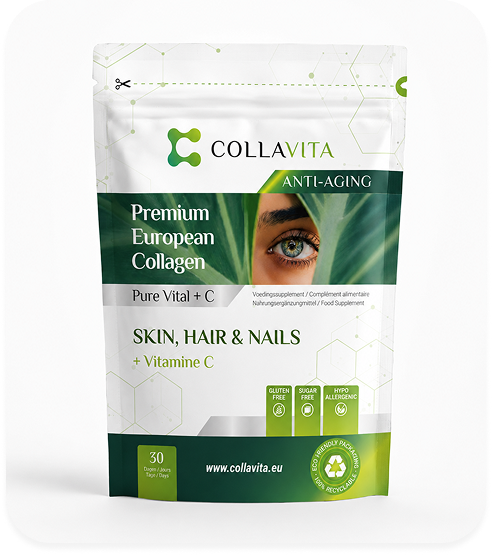
In Collavita, we believe not only in scientific research but also in the experiences of our customers.
Over the years, we have seen how high-quality collagen becomes part of the daily routine of people who enjoy sports, movement, and an active lifestyle.
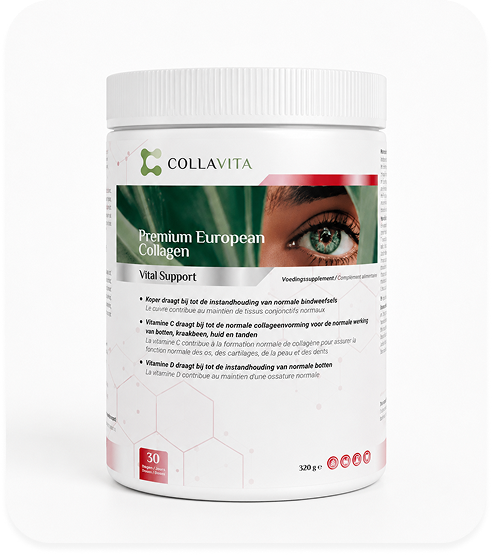
That is why we created Vital Support — a formula designed for people who want to keep moving for years to come.